The top layer of a spring mattress is the mattress cover, which is typically made from a blend of materials such as cotton, polyester, or other fabrics. This layer not only provides a soft surface for sleeping but also acts as a protective barrier against dust and allergens. The quality and breathability of the cover can significantly impact the sleep experience.
Beneath the cover is the padding layer, which can consist of materials like memory foam, latex, or polyurethane foam. This layer is crucial for providing cushioning and contouring to the body, ensuring comfort and pressure point relief. The padding layer also helps in distributing the body weight evenly across the mattress.
The heart of a spring mattress is the spring system, which is where the mattress spring machines and mattress making machines play a pivotal role. The spring system can be made up of various types of springs, such as Bonnell coils, continuous coils, or pocketed coils. These springs are formed using mattress spring machines that ensure uniformity and precision in the coiling process. The type of spring system used can greatly affect the mattress's firmness and responsiveness.
To enhance the durability and support of the mattress, especially around the edges, many spring mattresses incorporate edge support systems. These can be made from reinforced foam or additional springs that are integrated into the mattress making machine's process. Edge support helps prevent the mattress from sagging over time and maintains a consistent level of comfort from the center to the sides.
The foundation layer, also known as the base, is the bottommost part of the mattress. It provides structural support and stability to the mattress. This layer is typically made from high-density foam or a solid wood platform. The foundation layer is an essential component in ensuring the longevity and performance of the spring mattress.
The assembly of a spring mattress involves carefully layering the components and securing them together. This process is facilitated by advanced mattress making machines that ensure each layer is accurately placed and the springs are properly attached. Quality control measures are also an integral part of the mattress making process, ensuring that each mattress meets the required standards for comfort, support, and durability.

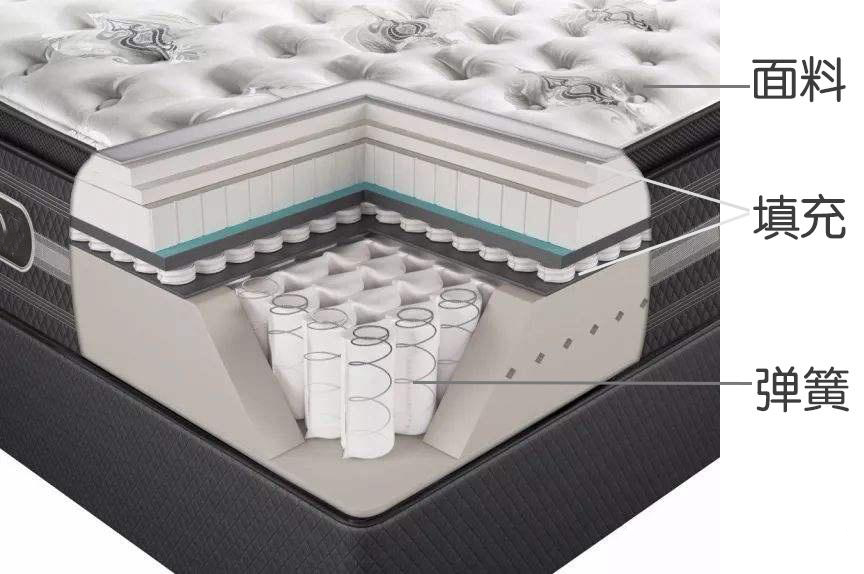
Understanding the basic structure of a spring mattress and the role of mattress spring machines and mattress making machines in its production can help consumers make informed decisions when purchasing a new mattress. These machines are critical in ensuring that the mattress provides the right balance of support and comfort, contributing to a better night's sleep. As technology advances, the capabilities of these machines continue to improve, leading to higher quality and more innovative spring mattress designs.


